Hong Junsheng

The Decoder — 18th Generation Lineage Holder

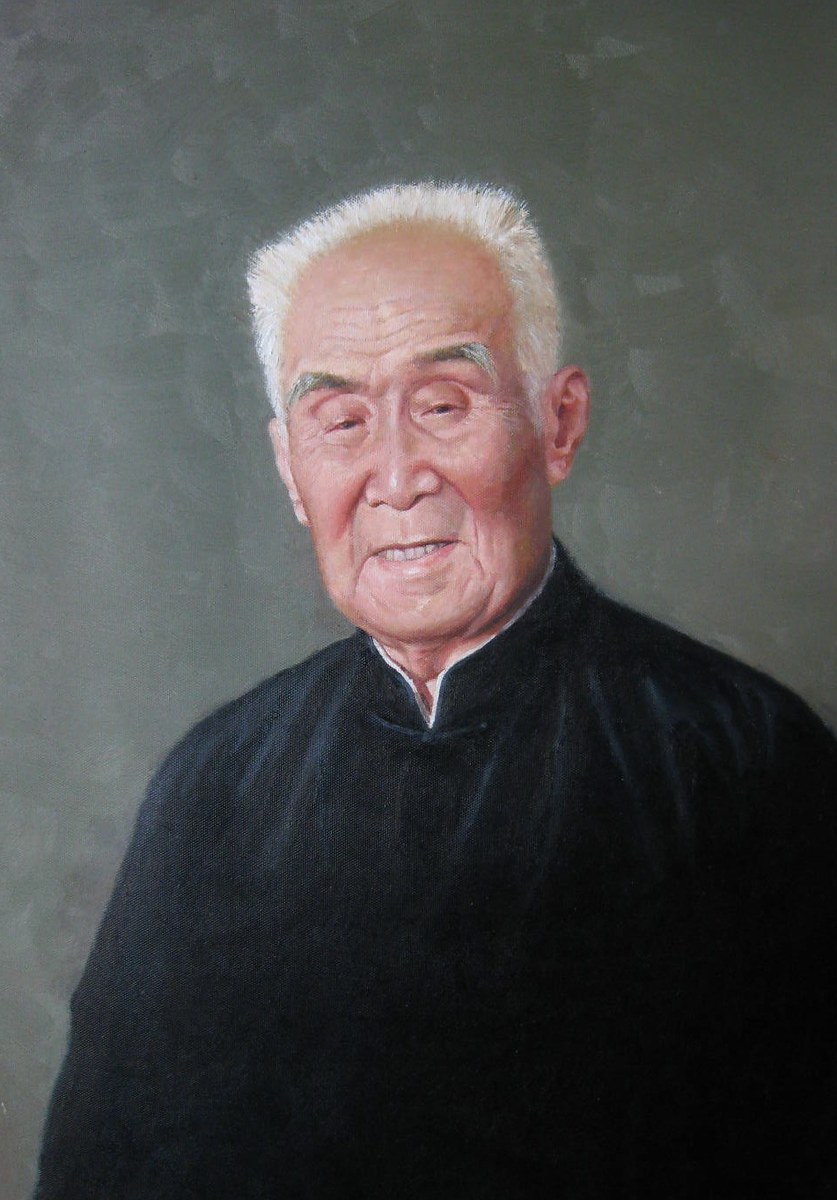
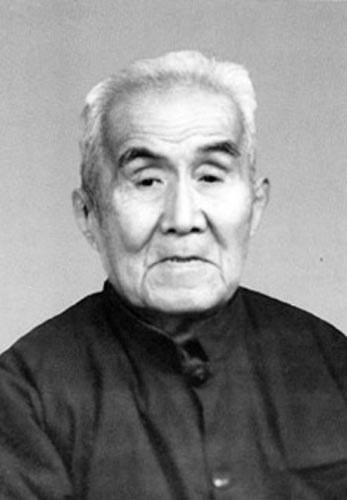
Hong Junsheng, formal portrait

Hong Junsheng spent fifteen years in Beijing as a close student of Chen Fa-ke, and decades more in Jinan translating what he had received into a repeatable, mechanically precise method. His work ensured that the revolutionary "no empty postures" standard of 1956 was not lost to poetry. It was made teachable.

He was small and frail looking. He was unbeatable. Visitors to his school called him the man with magic hands, and the saying that grew up around him — not from his students, but from outsiders and the general public — was that no one knew what he did, but no one could beat him.
"No one knows what he does, but no one can beat him."
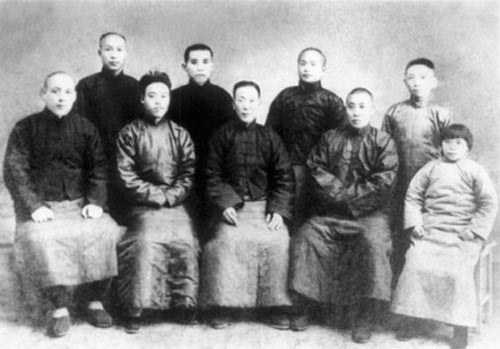
Hong Junsheng with Chen Fa-ke and fellow students, Beijing
Chen Fa-ke with his early disciples, Beijing, 1932. Front row (L–R): Zhao Zhongmin, Chen Zhaoxu, Liu Musan, Chen Fa-ke, Chen Yuxia (daughter). Back row (L–R): Zhang Yifan, Hong Junsheng, Yang Yichen, Liu Liang.

Taiji as Qi Gong

One detail about Hong is often misunderstood, and it matters. So far as I was told, Hong did not practice separate Qi Gong sets. He said he could not feel his Qi flow in the way practitioners commonly describe. This is sometimes reported as a limitation. It was not.

Hong achieved what Qi Gong cultivates — the lengthening from shoulder to fingertip, the sunk connection through the Kua, the whole-body unity — through mechanical precision. He could reproduce the stretch, and he could feel why it was required. What he did not do was treat the sensation of Qi as a separate subject of study. His Taiji, done correctly, was his Qi Gong. The result was the same.

This is consistent with everything else about his work. Taiji practiced correctly does not require a parallel cultivation track. The mechanics, if they are actually present, carry the cultivation inside them. "No empty postures" is not only a claim about martial function. It is a claim about what the form already contains when the form is right.
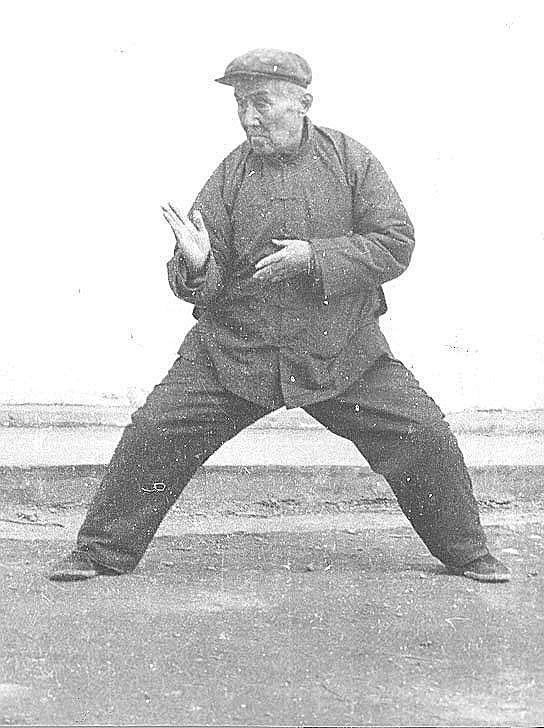
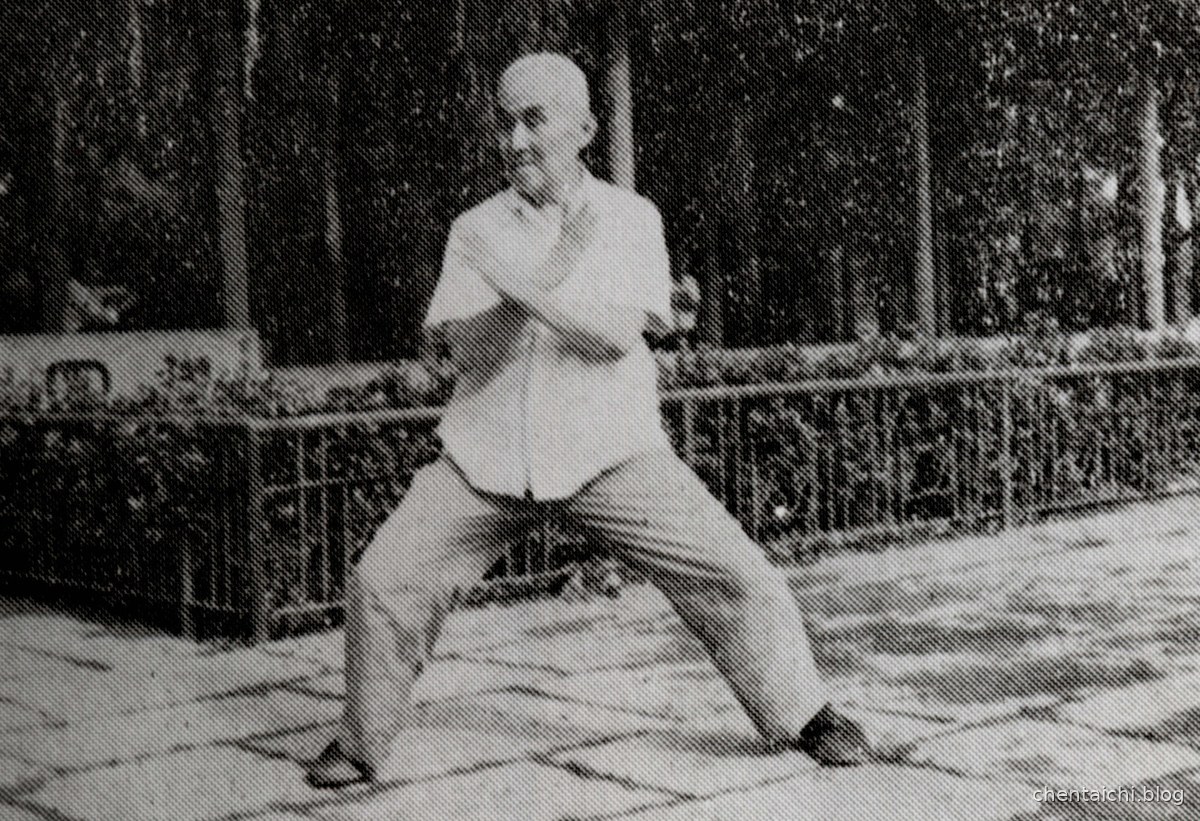
Hong Junsheng practicing, horse stance with hands in warding posture
Hong in practice. Small, frail looking, and unbeatable.

The Jinan Decades

Hong's Beijing years gave him the art. His Jinan years gave it back to the world as a method. Through his research, the rotation of the hip and the specific steering mechanisms of the weighted side were clarified and could be transmitted without dependence on the teacher's presence in the room. His students, including Master Liu ChengDe, carry this forward.
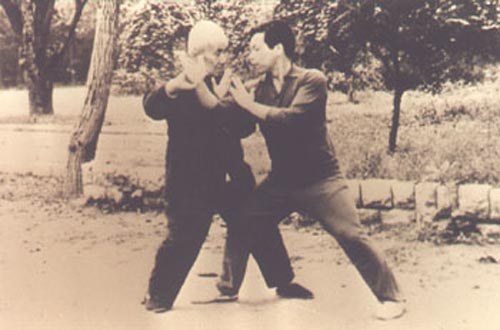
Hong Junsheng teaching Li Enjiu, push hands
Hong teaching Li Enjiu. A record of the kind of contact work that cannot be transmitted through text.

The Platform at the Spring

Hong Junsheng had been dead for some years when we finally visited Jinan. The platform where he had taught was still there, built into the wall of the deep-sided spring at Heihuquan — Black Tiger Springs — where he had held his daily practice for decades.

Heihuquan, Black Tiger Springs in Jinan, with the spring openings carved as tiger heads gushing water below
Heihuquan, Black Tiger Springs. The spring openings, carved as tiger heads, gush water into the pool below. Hong's practice platform sits at upper right, under the small tiled roof.

The platform began, I was told, as a natural flat surface in the rock. Over the years it had been added to. By the time we stood on it, a small open-air building stood at one end, and the section Hong had actually used was partially covered. The air smelled of stone and water. You could hear the springs below.

Hong practiced several times a day. Circles in the early morning. Form later. Circles again in the evening. This was the pattern for decades, in all weathers, on the same platform, above the same water.

Hong Junsheng with Nakano Harumi and disciples at Black Tiger Springs, Jinan
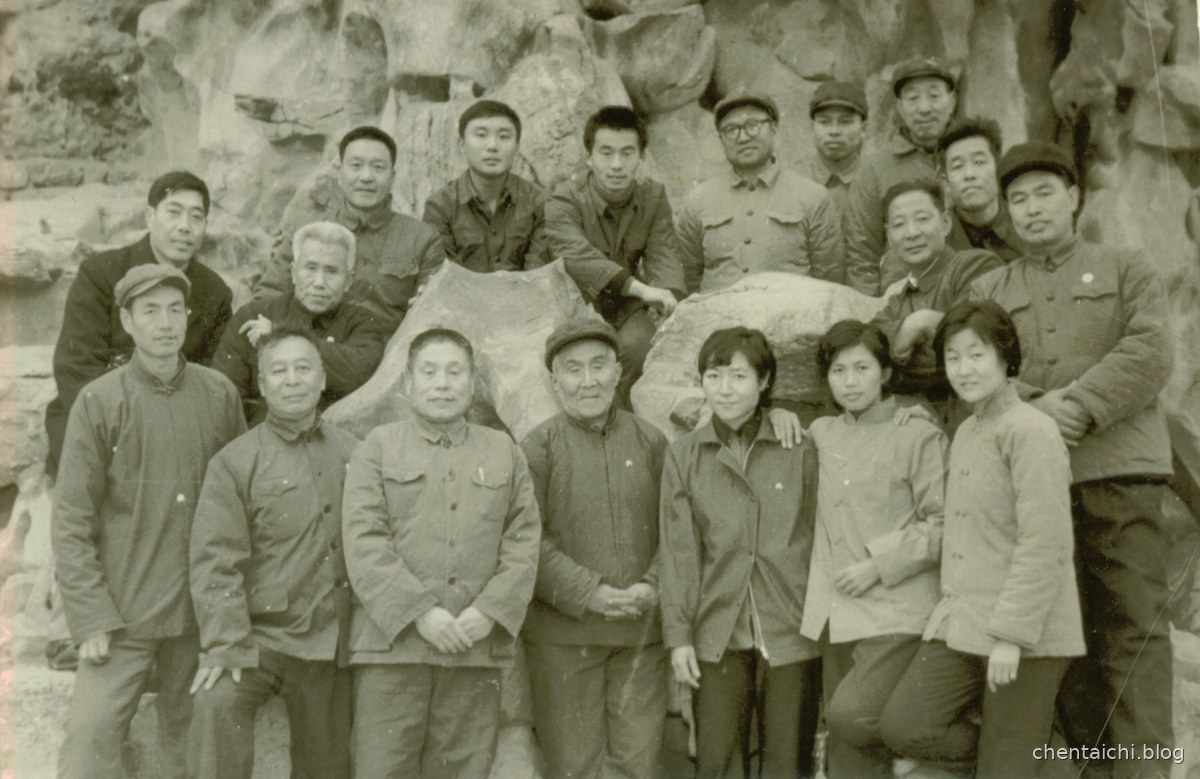
Hong at Black Tiger Springs with a Japanese delegation led by Nakano Harumi, together with his own senior students. Hong is centre-front in the dark padded jacket. The rocky wall of the spring rises behind them.

We had photographs of the place, and of us working out on the platform ourselves. The platform was also used by musicians when the practitioners were not there. Most of our photographs are gone now. Hard drives fail. Files disappear. What remains is what was received in person, and what can be written down.

This, in a sense, is the whole premise. The art was not preserved by photographs. It was preserved by practice, by careful transmission, and by the willingness of a student to travel a long distance to stand in the place where the teacher had stood, even after the teacher is gone.

The Bridge at Black Tiger Springs

Black Tiger Springs is where Grandmaster Hong Junsheng spent over thirty years teaching and practising. The springs are held in a steep-walled declivity that has a climate zone of its own — fresh and cool, with the scent of clean water throughout. The water gushes from several openings in the rock, and there are always people there filling huge jugs.

When I first arrived I realised you have to cross a beautiful wooden bridge to reach the side where Hong's platform stood. There is a story about that bridge.

A young university student had heard about the man with magic hands and went to see him, with the idea of possibly studying. When he arrived at the platform he found a large crowd. At the centre was Hong, and across from him a fierce and powerful-looking man. The man had come to challenge.

Hong stood with his left hand in his pocket and his right hand holding his pipe.

"Ready when you are," Hong said.

The challenger looked at him as if he could not believe an old man with a pipe was ready, but launched his attack anyway. Hong did not appear to move. The man was thrown several yards.

"Must have slipped," he muttered. He tried again. Same result.

On the third attempt he said, "I will no longer hold back. Get ready." He launched a much harder attack. Hong still did not appear to move. The man was thrown further than before. He bowed and said, "I didn't see it. I don't understand it."

The crowd began to disperse. The young university student hurried after Hong and caught up with him on the bridge.

"Master — having seen what you just did, I must study with you. Will you allow me to attend?"

Hong replied, "You must have mistaken me for someone else. I'm just an old man walking home."

The student eventually did attend classes, and his respect for the old man walking home only grew. Hong was often called The Man With Magic Hands.