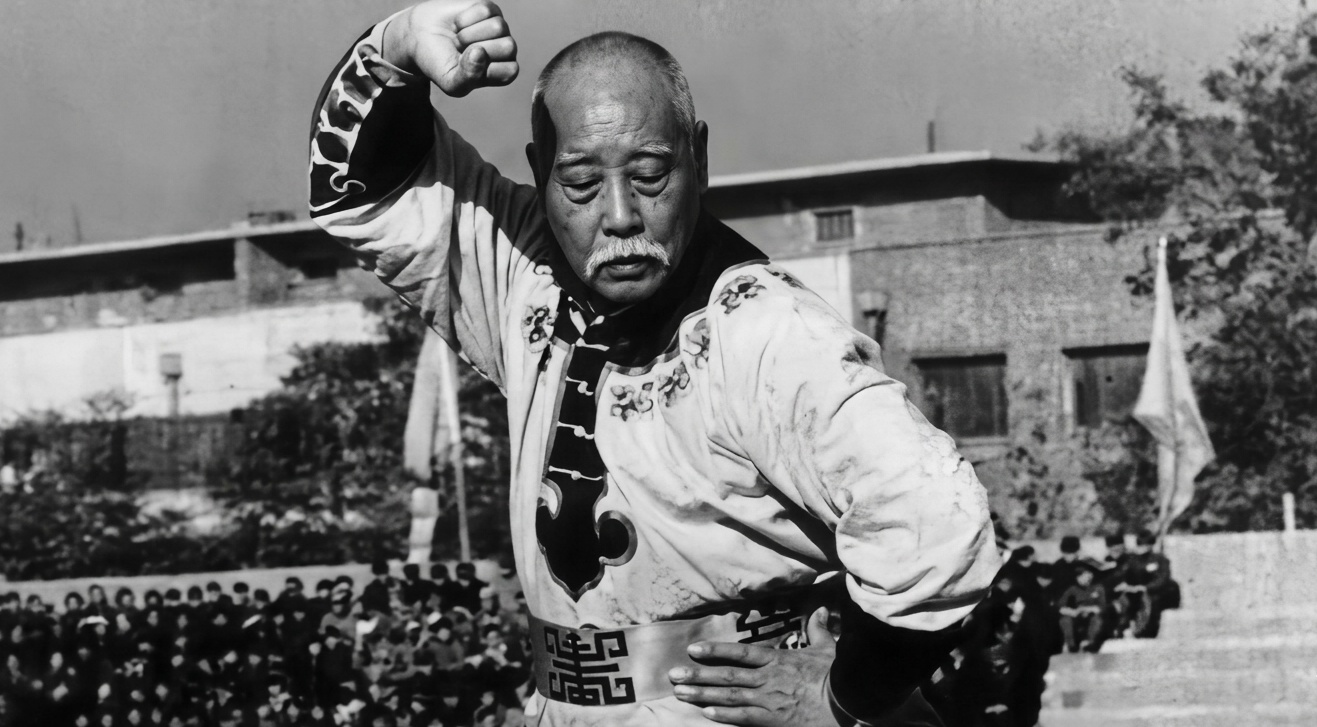
Beijing • Spring 1948
The Rabid Dog and the Red Spear Gang
The setting is Beijing. The year is 1948. It is Spring with lilacs in the air, but also dust from the Gobi in their noses.
It is an unsettled time as the government is in the midst of turmoil. The Nationalists will soon be overthrown by the Communists. Locals are restive.
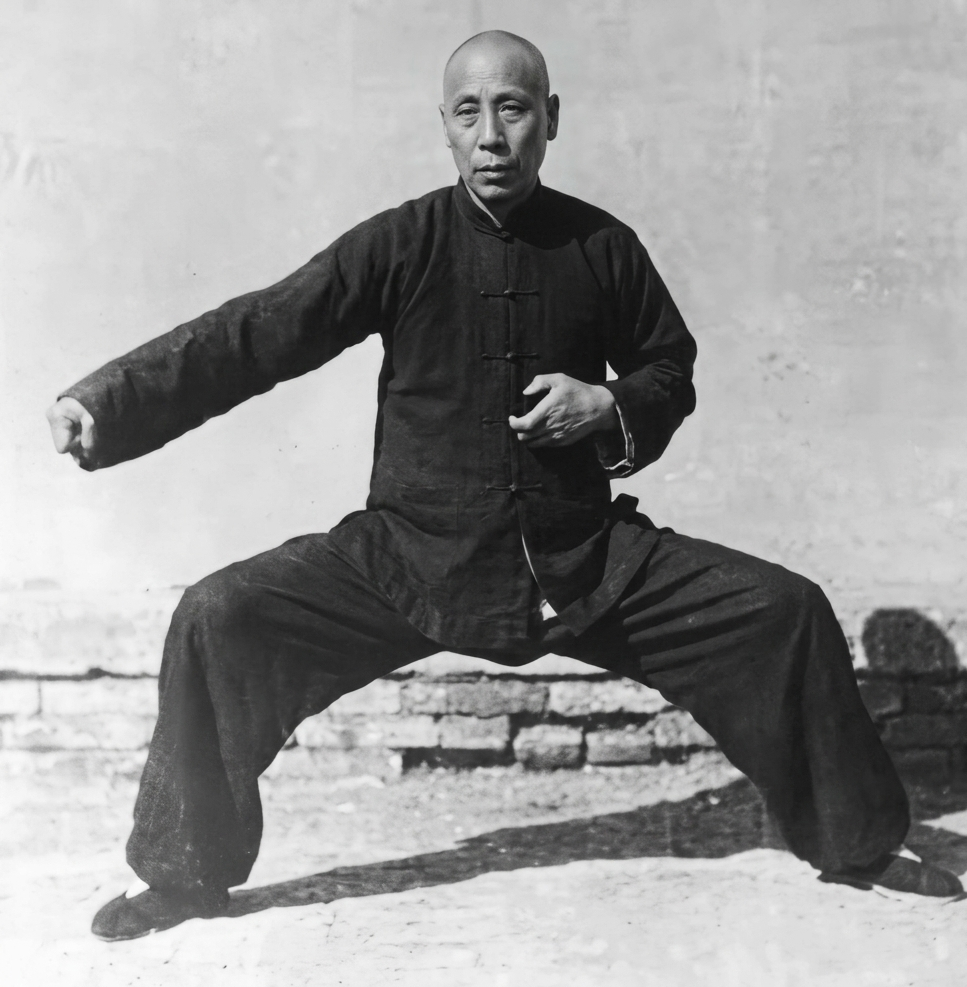
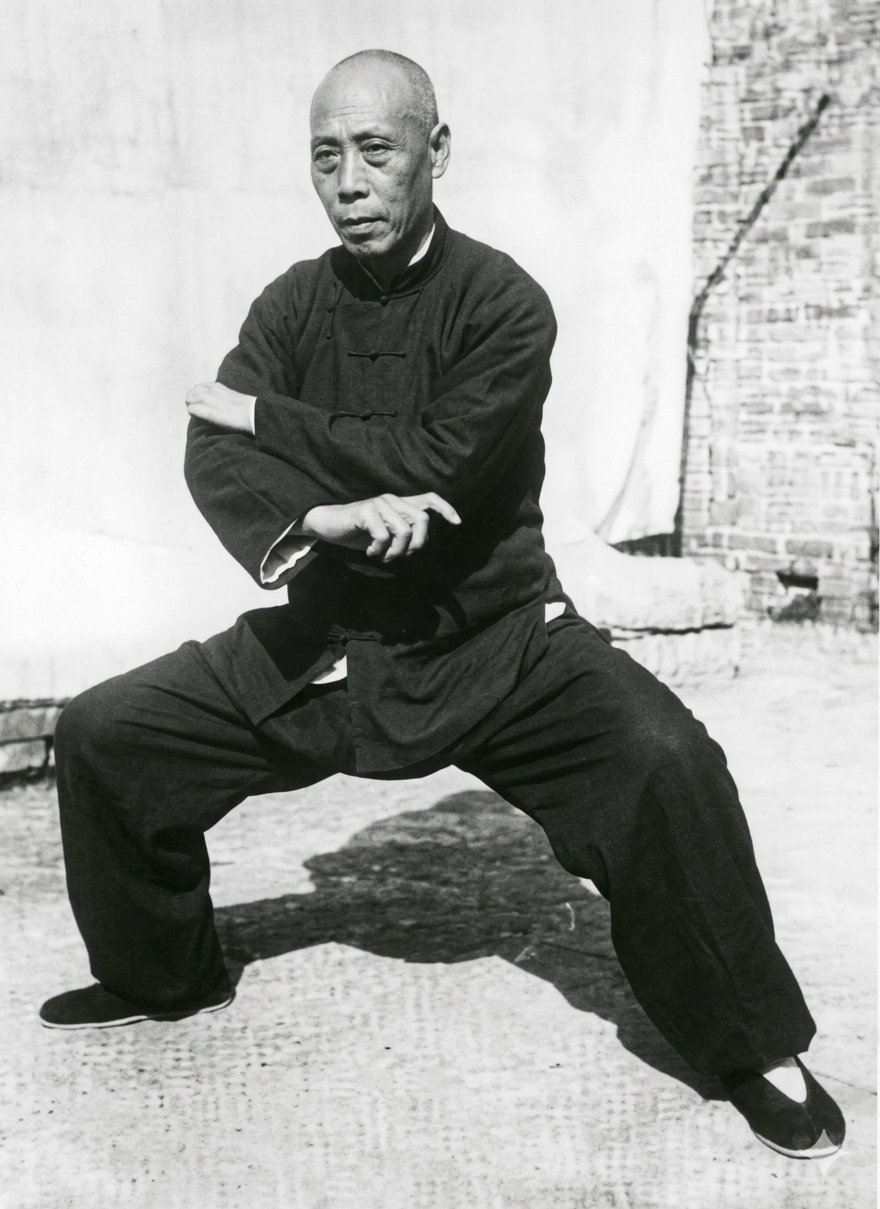
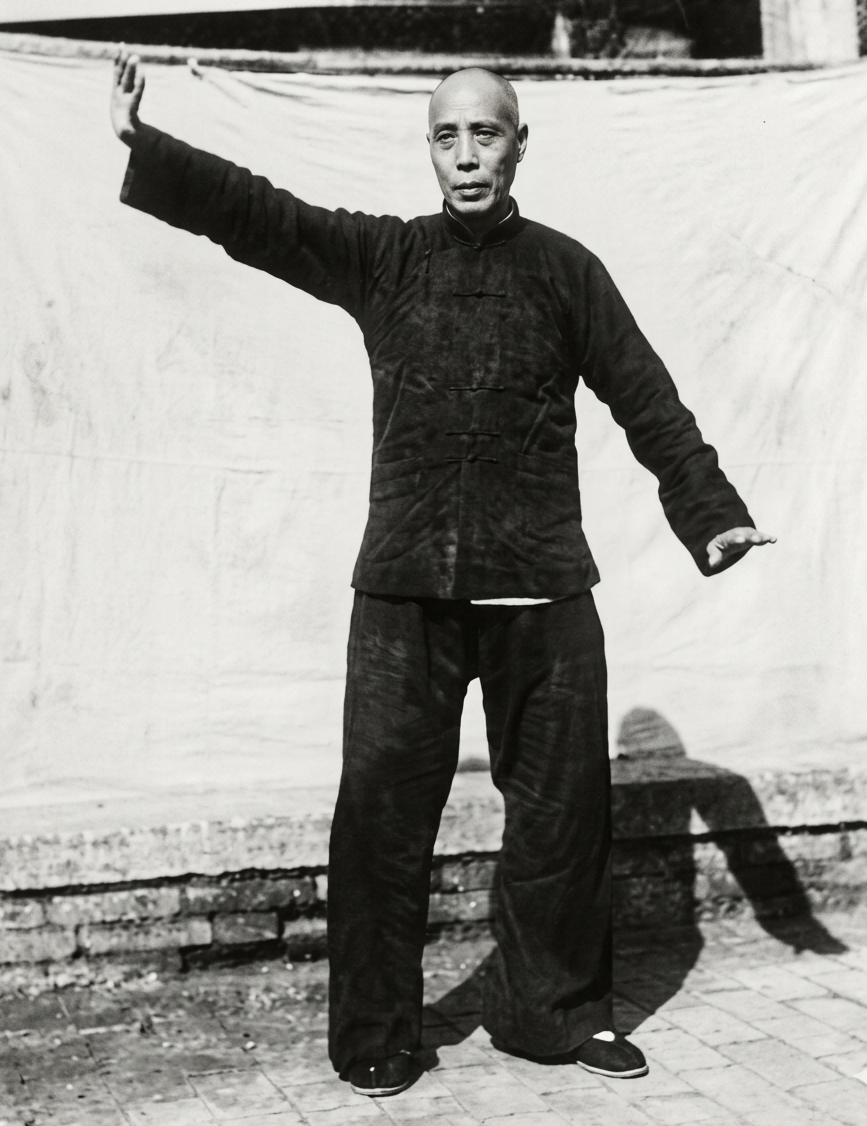
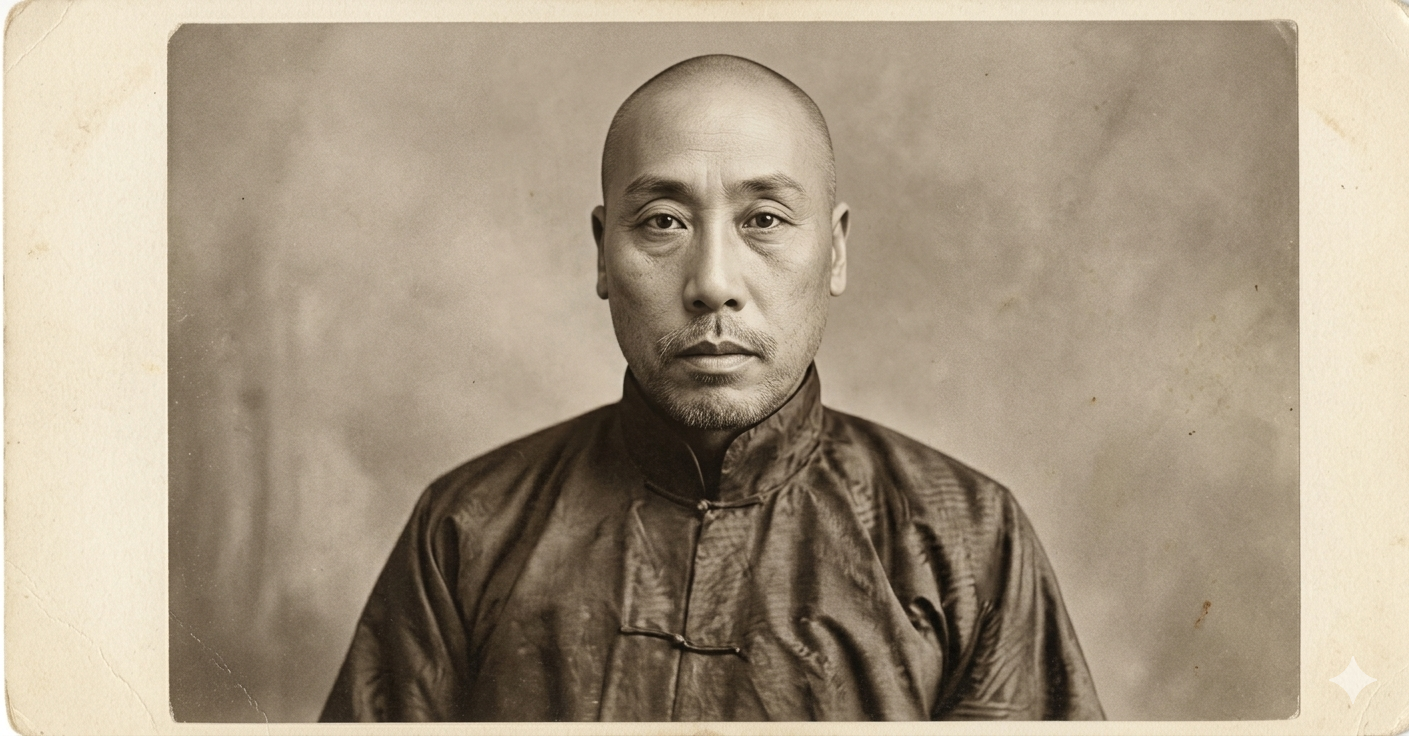
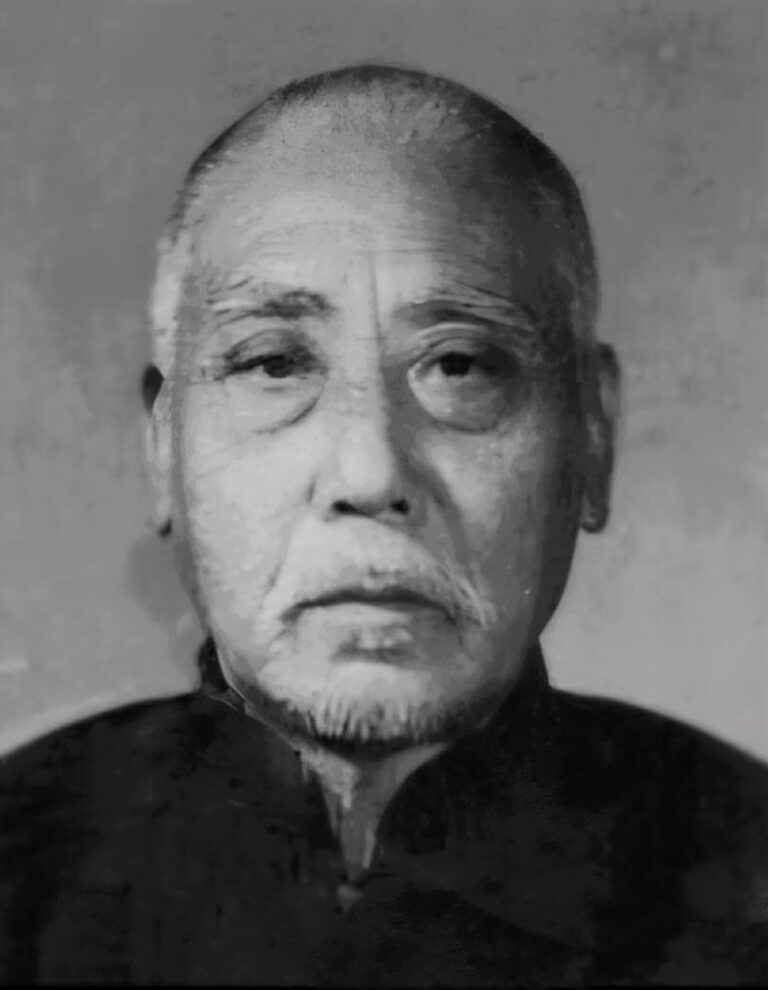
The two men are both Gong Fu Masters with skill approaching the level of wonder. Both are in the Chen lineage that Chen Fa-ke brought with him from Chen Village.
The street they are on is cobblestone and is shaded by elm, poplar and Pagoda trees. The scents of their buds means Spring is in the air. The two men, Hong Junsheng and Chen Fa-ke are friends and their families have lived together for years. Chen is like a father to Hong and their children are like brothers and sisters all.
They talk of chess, which they both enjoy, opera, with one more eager than the other. It is light talk and not the usual martial talk they habitually enjoy. On the street ahead of them there is a dog running from side to side, biting everyone it can reach. Rabid they conclude.
As it approaches they know it will try to bite them, and at the time the cure for rabies doesn't exist. It was developed in the 1880s but is not available in Beijing. A bite is a death sentence, a slow horrible death.
As the dog approaches, Chen Fa-ke raises his hand overhead, and the dog leaps for it. With one kick to the throat Chen Fa-ke kills the dog and the locals swarm over him in gratitude. He takes it calmly, but as the two resume their stroll, Chen Fa-ke relates a story from several years ago.
At that time The Red Spear Gang was terrorizing a small village close to Chen Village. The gang members were robbing and killing villagers in order that they could live. They would steal grain, rice, sorghum and corn, and if anyone got in their way it was sure death.
The village elders came to Chen Village to hire Chen Fa-ke to get rid of the gang. The elders assumed he would need several helpers and had planned for it, but Fa-ke said, "It will only take me." After he arrived he made himself at home and continued his daily routine of practise, quietly, without drawing attention.
A few weeks passed before the gang appeared again. The village was surrounded by a moat and there was only one bridge. When the gang was sighted, Chen Fa-ke took up his spear and stood on the bridge waiting. The gang gathered on the other side and said to Chen Fa-ke: "You must move or we will kill you, as we have killed many from this village already."
Chen replied, "Come ahead as you wish." The gang sent their strongest man, not their leader who was the brains, but their best fighter. Once he was on the bridge and approaching Chen Fa-ke the gang member suddenly pushed his spear straight forward, intending to pierce Fa-ke's heart.
With what seemed to be one motion, Fa-ke circled the incoming spear away, and killed the villain. The gang shouted and grumbled and then agreed they must send their leader in. He met the same fate, and the gang disbanded. As they prepared to leave Chen Fa-ke shouted out to them, "If you return you can expect more of you to die. Mend your ways and you can live."
When he told this story to Hong he added that he was currently under investigation for those killings and he added, "The rabid dogs of society must be dealt with harshly. I felt no love or hate for the dog, but if allowed to live it would have killed many of our neighbours. It was the same with the gang, if they had been allowed to continue they would have killed many more villagers. There is only one way to deal with that sort of person."
Hong told me later that Chen Fa-ke was eventually exonerated.